Root canal treatment in Norwich using advanced microscope technology
Root canal treatment can relieve infection, protect your natural tooth and restore long-term oral health.

Root canal treatment can relieve infection, protect your natural tooth and restore long-term oral health.

The crown of the tooth is made up of the hard, white, enamel layer and a thicker dentine layer. Both these hard layers protect the innermost soft tissues of the tooth called the pulp. The dental pulp contains blood vessels and nerves within and extends from the crown to the tips of the root or roots.
Root canal treatment involves the removal of the pulp tissues from the tooth in the event that it gets infected or inflamed.
The pulp can be infected or inflamed due to deep decay, extensive restorations, cracked or fractured teeth, trauma, excessive wear exposing the pulp, and sometimes as a result of severe gum disease.
Signs of pulp damage may include pain, prolonged sensitivity to heat or cold, discoloration of the tooth, swelling, tenderness of the gums or a bad taste in the mouth. Sometimes there may be no symptoms at all.
If infection is left untreated, it can eventually cause pain, swelling and loss of supporting bone.
Root canal treatment saves teeth that would otherwise have been extracted.
After treatment the tooth is pulp-less, meaning it has no vital tissues within. However, the tissues surrounding the root remain healthy, allowing the tooth to function normally.
With routine dental care and good oral hygiene, a root canal treated tooth can be maintained for many years.

.avif)


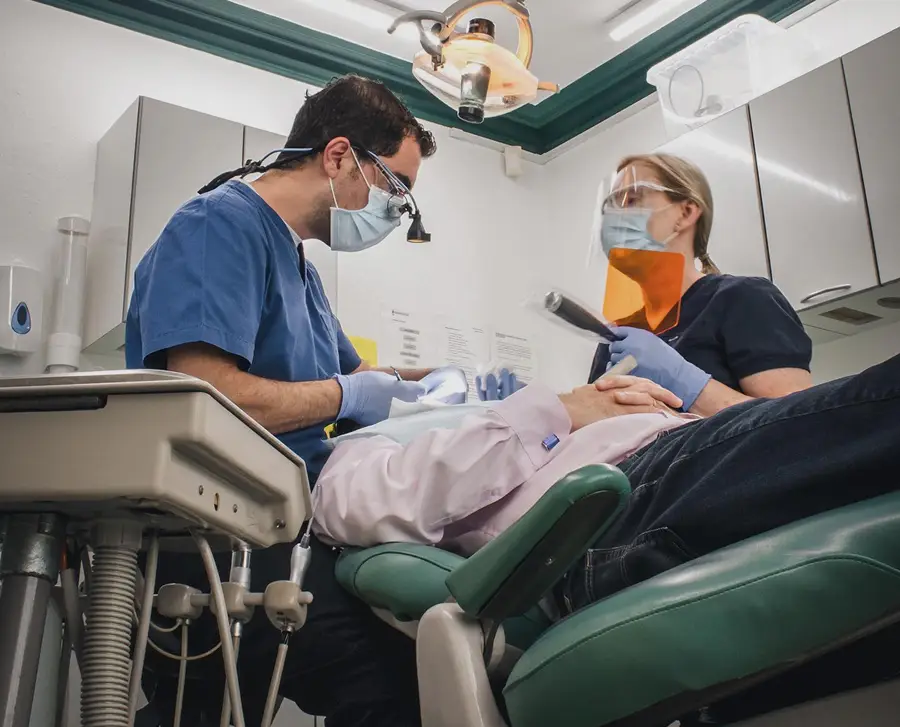
Under local anaesthetic, an opening is made in the crown of the tooth to access and remove the infected or inflamed pulp.
Using small hand or rotary files, the root canals are cleaned and shaped. Debris is removed by flushing with an anti-bacterial solution.
The canals are finally filled with an inert material called gutta-percha. The tooth is isolated with a rubber dam to provide a clean saliva-free environment.
The tooth should be restored to full shape and function with a permanent filling or crown as soon as possible to reduce the risk of fracture.
Root canal treatment may be completed in one or multiple visits depending on complexity.

Root canal treatment procedures are relatively comfortable and often painless as the tooth is anaesthetised during treatment.
After treatment, the tooth may be sensitive or tender for a few days. This discomfort can usually be relieved with mild painkillers available over the counter.
If severe pain or swelling occurs, you should contact your dentist.
We believe premium dental care should feel accessible and straightforward. Our pricing is clear from the start, with flexible finance options and treatment plans designed around your needs, not pressure or hidden costs.
Signs may include pain, prolonged sensitivity, swelling or a bad taste, although sometimes there are no symptoms. Your dentist in Norwich NR7 will assess the tooth with an examination and X-rays.
Yes. Root canal treatment in Norwich can save teeth that would otherwise need extraction and allow them to function normally.
Root canal treatment is carried out under local anaesthetic, so it is usually comfortable. Some tenderness afterwards is normal.
Most root-treated teeth last as long as natural teeth when restored properly and maintained with good oral hygiene and regular dental reviews.

.avif)