Tooth extractions and oral surgery in Norwich
Extractions and oral surgery can help relieve pain, remove damaged teeth and protect your long-term oral health. Wisdom tooth removal is one of the most common procedures we provide.

Extractions and oral surgery can help relieve pain, remove damaged teeth and protect your long-term oral health. Wisdom tooth removal is one of the most common procedures we provide.
.avif)
The removal of wisdom teeth, or third molars, is one of the most common procedures carried out in the UK.
The wisdom teeth grow at the back of your gums and are the last teeth to come through. Most people have four wisdom teeth – one in each corner.
Wisdom teeth usually grow through the gums during the late teens or early twenties. By this time, the other 28 adult teeth are usually in place, so there isn’t always enough room in the mouth for the wisdom teeth to grow properly.
Because of the lack of space, the wisdom teeth can sometimes emerge at an angle or get stuck and only partially emerge. Wisdom teeth that grow through like this are known as impacted.

You should make an appointment to see your dentist if you’re experiencing severe pain or discomfort from your wisdom teeth. Your dentist will check your teeth and advise you on whether they need to be removed.
If your dentist thinks you may need your wisdom teeth removed, they’ll usually carry out an X-ray of your mouth. This gives them a clearer view of the position of your teeth.
Your wisdom teeth don’t usually need to be removed if they’re impacted but aren’t causing any problems. This is because there’s no proven benefit of doing this and it carries the risk of complications.
Sometimes, wisdom teeth that have become impacted or haven’t fully broken through the surface of the gum can cause dental problems. Food and bacteria can get trapped around the edge of the wisdom teeth, causing a build-up of plaque, which can lead to:
Many of these problems can be treated with antibiotics and antiseptic mouthwash, so removing your wisdom teeth is only recommended when other treatment hasn’t worked.
.avif)
.avif)
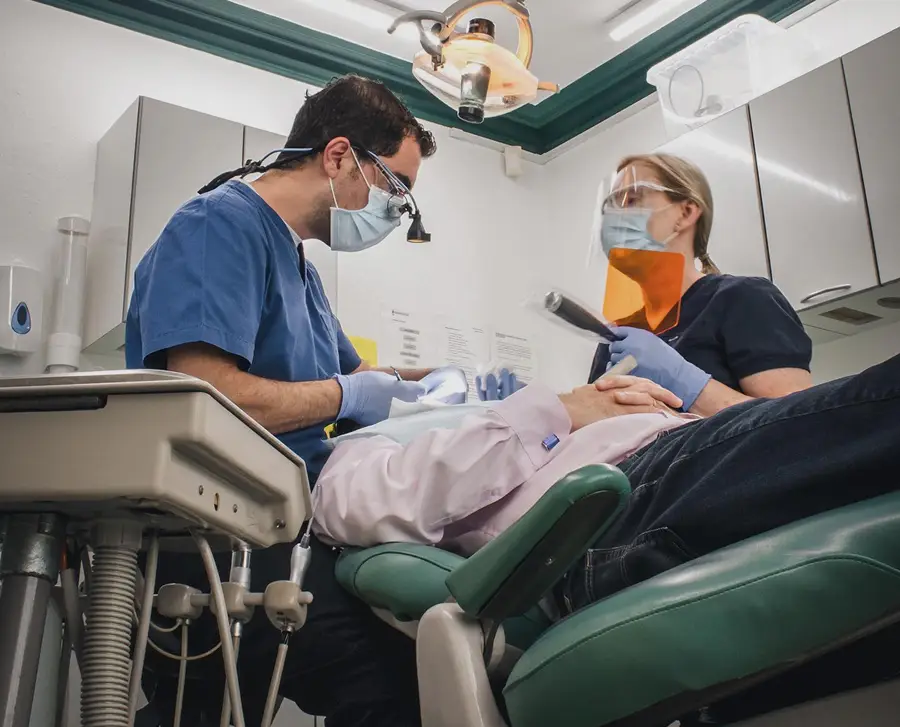
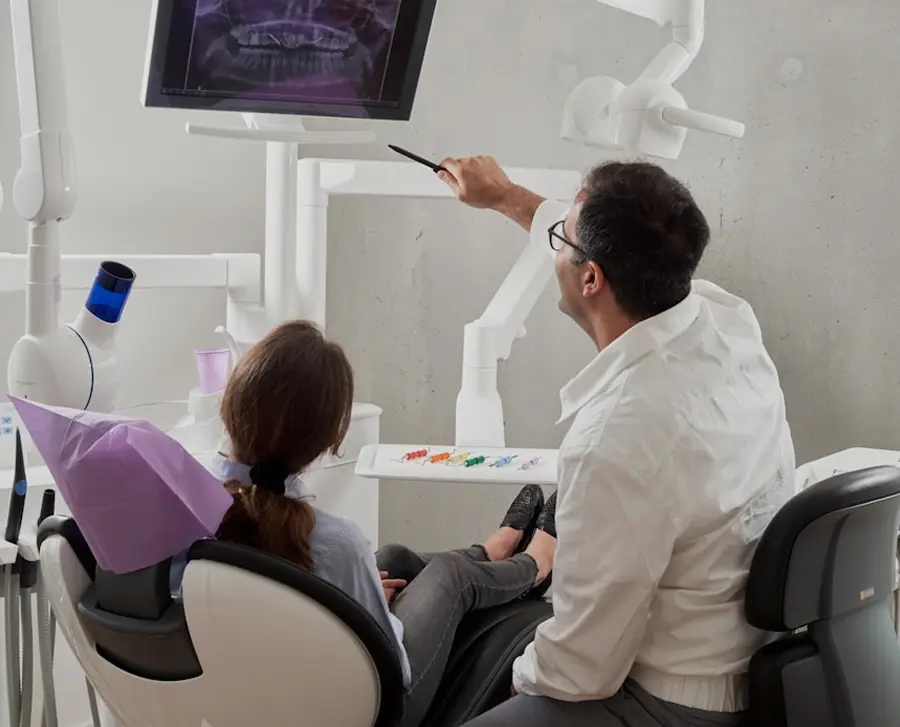
Your dentist will examine your teeth and take X-rays to assess the position of your wisdom teeth and decide whether removal is required.
Before the procedure, you’ll usually be given a local anaesthetic injection to numb the area around the tooth. You may feel pressure as the tooth is loosened.
In some cases a small cut may be needed in your gum, and the tooth may need to be divided into smaller pieces before it’s removed. Some procedures take only a few minutes, while others may take 20 minutes or longer.
After your wisdom teeth have been removed, you may experience swelling and discomfort, both inside and outside of your mouth. This is usually worse for the first three days but can last for up to two weeks. You will be given clear aftercare instructions to support healing.
Wisdom tooth removal may be carried out at the practice or, in more complex cases, you may be referred to a specialist oral surgeon.
Our team will explain your options clearly and ensure you understand the benefits and possible risks before proceeding.


As with all surgery, there are risks associated with removing a wisdom tooth. These include infection or delayed healing, both of which are more likely if you smoke during your recovery.
Another possible complication is dry socket, which is a dull aching sensation in your gum or jaw, and sometimes a bad smell or taste coming from the empty tooth socket. Dry socket is more likely if after-care instructions are not followed carefully.
There is also a small risk of nerve damage, which can cause pain or a tingling sensation and numbness in the tongue, lower lip, chin, teeth and gums. This is usually temporary but can be permanent in rare cases.
We believe premium dental care should feel accessible and straightforward. Our pricing is clear from the start, with flexible finance options and treatment plans designed around your needs, not pressure or hidden costs.
No. Wisdom teeth are only removed if they are causing pain, infection or other dental problems.
A local anaesthetic is used to numb the area, so you should not feel pain during the procedure. Some swelling and discomfort afterwards is normal.
Swelling and discomfort are usually worse for the first three days but can last up to two weeks.
You will be advised to stick to softer foods initially and follow the aftercare instructions provided to support healing.

.avif)